
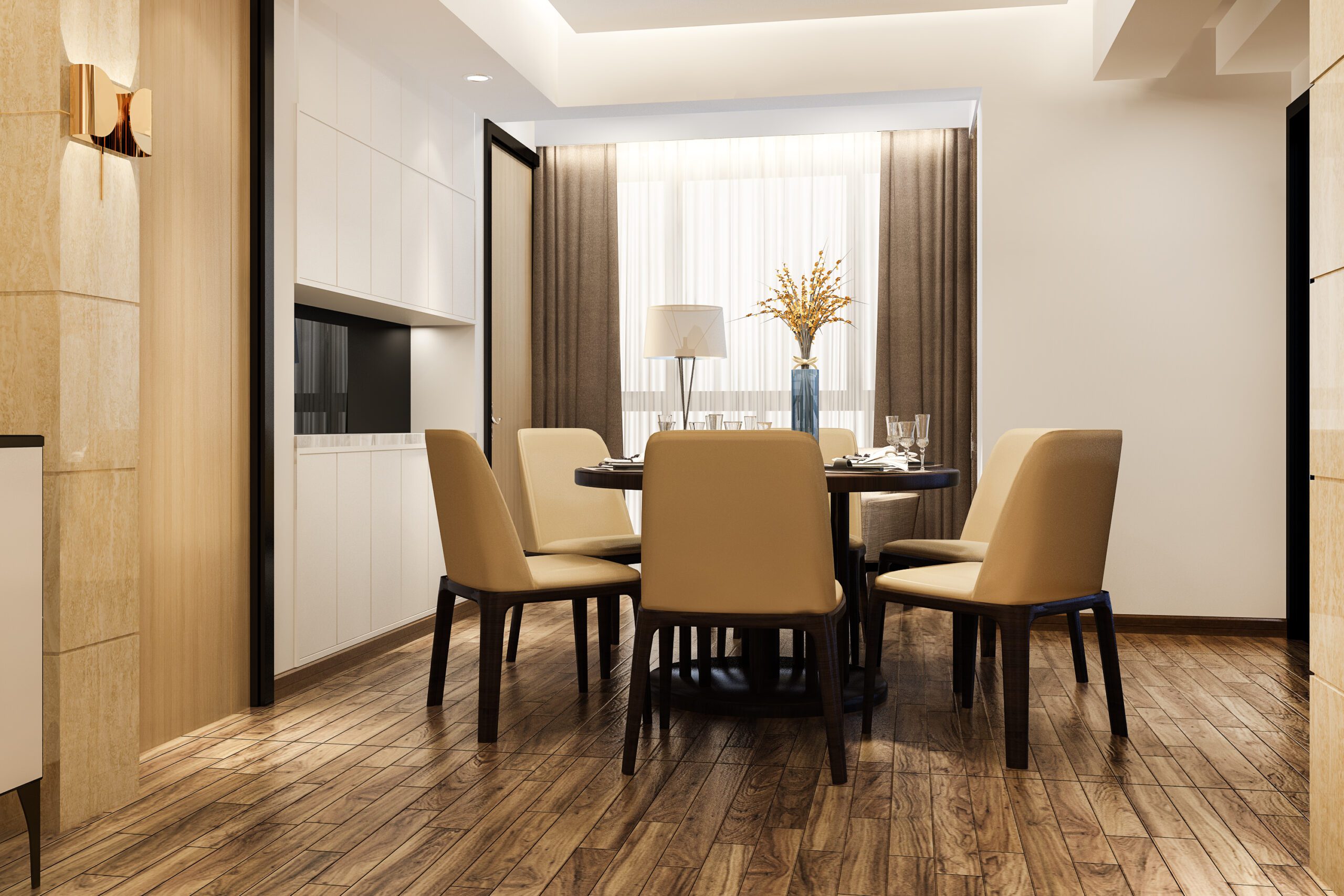
Choosing the right hardwood flooring is about more than appearance—it’s also about durability, value, and environmental responsibility. Brazilian Walnut flooring, also known as Ipe, has become a popular choice for homeowners and designers because it offers exceptional strength, rich natural beauty, and impressive longevity. If you’re looking for a premium flooring option that can withstand heavy use while enhancing your home’s style, brazilian walnut hardwood flooring is worth considering.
What Is Brazilian Walnut Flooring?
Brazilian Walnut flooring is crafted from the Ipe tree, a hardwood species native to Central and South America. It is widely recognized as one of the hardest woods used in flooring, making it highly resistant to dents, scratches, moisture, and insect damage.
Its natural color ranges from deep brown and olive tones to dark chocolate hues, often accented by subtle grain patterns. Over time, the wood develops even more character, making every floor unique.
Why Brazilian Walnut Flooring Is So Popular
Outstanding Durability
One of the greatest benefits of Brazilian Walnut flooring is its incredible strength. Thanks to its high density, it performs exceptionally well in busy households, commercial spaces, and high-traffic areas. It is less likely to show signs of wear compared to many domestic hardwood species.
Elegant Appearance
The rich color and natural grain of brazilian walnut hardwood flooring create a sophisticated look that complements both modern and traditional interiors. Whether paired with light walls or bold décor, it adds warmth and luxury to any room.
Long-Term Value
Although Brazilian Walnut flooring typically has a higher upfront cost than some other hardwood options, its durability and lifespan make it a smart long-term investment. With proper care, it can last for decades while maintaining its beautiful appearance.
Is Brazilian Walnut Flooring Sustainable?
Sustainability is an important factor when selecting hardwood flooring. The environmental impact of Brazilian Walnut flooring depends largely on how the wood is sourced.
When purchased from responsible suppliers, Brazilian Walnut can be a sustainable flooring choice. Look for products harvested from responsibly managed forests and certified by organizations that promote sustainable forestry practices. Responsible harvesting helps protect biodiversity, reduce illegal logging, and ensure forests remain healthy for future generations.
Choosing quality flooring that lasts for many years also reduces the need for frequent replacement, which helps minimize waste and conserves natural resources.
Where Can Brazilian Walnut Flooring Be Installed?
Because of its exceptional durability, brazilian walnut hardwood flooring works well in a variety of spaces, including:
- Living rooms
- Dining rooms
- Bedrooms
- Hallways
- Home offices
- Luxury retail stores
- Commercial offices
Its natural resistance to wear makes it especially suitable for areas with constant foot traffic.
Caring for Brazilian Walnut Hardwood Flooring
Proper maintenance helps preserve the beauty of your flooring for years.
Here are a few simple care tips:
- Sweep or vacuum regularly to remove dirt and grit.
- Clean with a damp microfiber mop and a hardwood-safe cleaner.
- Avoid standing water or excessive moisture.
- Place protective pads under furniture legs.
- Use rugs at entrances to reduce dirt and scratches.
- Maintain indoor humidity levels to help prevent excessive expansion or contraction.
With consistent care, Brazilian Walnut flooring will continue to look beautiful for decades.
Brazilian Walnut Flooring vs. Other Hardwood Options
Compared to many domestic hardwoods like oak or maple, Brazilian Walnut flooring offers greater hardness and wear resistance. While species such as oak are easier to refinish and often more affordable, Brazilian Walnut excels in durability and creates a richer, more luxurious appearance.
Homeowners looking for premium performance and long-lasting beauty often choose Brazilian Walnut despite its higher initial investment.
Is Brazilian Walnut Flooring Right for You?
If you want hardwood flooring that combines elegance, exceptional durability, and long-term value, Brazilian Walnut flooring is an excellent choice. It suits both residential and commercial projects and performs well in demanding environments. By selecting responsibly sourced brazilian walnut hardwood flooring, you can also support sustainable forestry while enjoying one of the world’s most durable hardwood species.
Conclusion
Brazilian Walnut flooring is more than just a beautiful flooring option—it’s an investment in quality, performance, and timeless style. Its rich natural colors, outstanding durability, and potential for responsible sourcing make it a favorite among homeowners seeking premium hardwood floors. With proper care and thoughtful sourcing, brazilian walnut hardwood flooring can provide lasting beauty and value for generations.
FAQs
1. Is Brazilian Walnut flooring suitable for homes with pets?
Yes. Its exceptional hardness makes Brazilian Walnut flooring highly resistant to scratches and everyday wear, making it an excellent option for homes with pets.
2. How long does brazilian walnut hardwood flooring last?
With proper installation and maintenance, brazilian walnut hardwood flooring can last 40–50 years or even longer.
3. Is Brazilian Walnut flooring environmentally friendly?
It can be when sourced from responsibly managed forests. Look for suppliers that follow sustainable forestry practices and offer certified hardwood products.
4. Does Brazilian Walnut flooring require special maintenance?
No. Regular sweeping, occasional damp mopping with a hardwood-safe cleaner, and avoiding excessive moisture are generally all that’s needed to keep it looking its best.
