
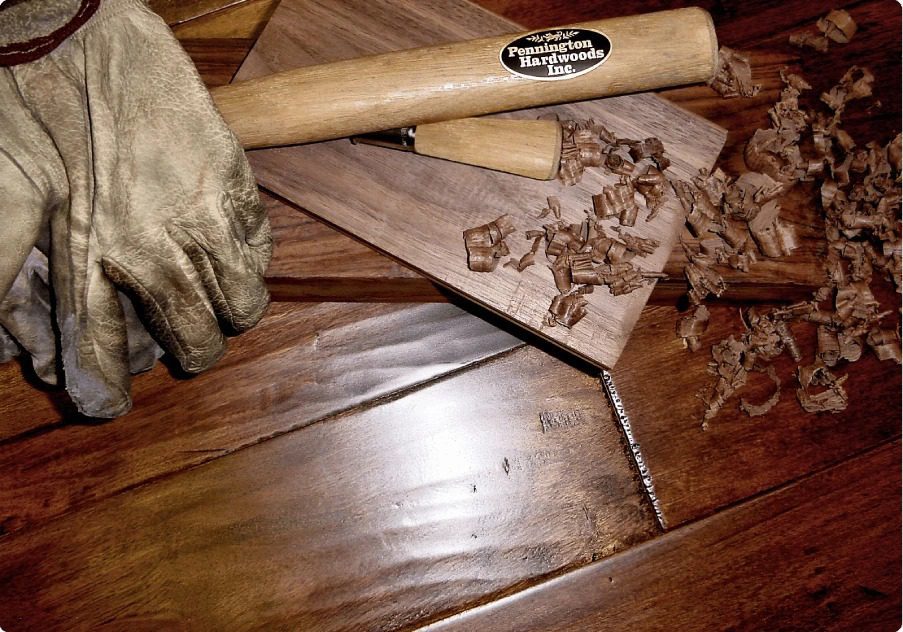
Wood flooring has remained one of the most desirable flooring options for generations. Its natural beauty, durability, and ability to complement any interior style make it a favorite among homeowners and designers alike. With so many types of wood floors available, choosing the right one can feel overwhelming. Understanding the differences between each type can help you make a confident decision that suits your home, lifestyle, and budget.
In this guide, we’ll explore the most popular types of wood floors and explain how custom hardwood floors can transform your living space.
1. Solid Hardwood Flooring
Solid hardwood flooring is made from a single piece of natural wood. It is one of the most durable flooring choices available and can be sanded and refinished multiple times throughout its lifespan.
Benefits:
- Long-lasting durability
- Natural beauty and authentic wood grain
- Can increase home value
- Available in various wood species and finishes
Solid hardwood is ideal for living rooms, bedrooms, dining rooms, and other above-grade spaces.
2. Engineered Hardwood Flooring
Engineered hardwood consists of multiple layers of wood with a genuine hardwood veneer on top. This construction provides better resistance to moisture and temperature changes than solid hardwood.
Benefits:
- More stable in humid environments
- Suitable for basements and kitchens
- Easier installation
- Available in numerous styles
For homeowners seeking the appearance of hardwood with added stability, engineered flooring is an excellent option.
3. Red Oak Flooring
Red oak remains one of the most popular hardwood flooring materials thanks to its warm tones and distinctive grain patterns.
Advantages:
- Excellent durability
- Affordable pricing
- Easy to stain
- Works with traditional and modern interiors
Its versatility makes it one of the best-selling wood flooring choices.
4. White Oak Flooring
White oak offers a slightly cooler appearance than red oak while providing exceptional strength and moisture resistance.
It is especially popular in contemporary homes because of its subtle grain and ability to accept light-colored stains.
Features:
- Modern appearance
- Strong and durable
- Moisture-resistant
- Ideal for high-traffic areas
5. Maple Flooring
Maple hardwood is known for its smooth texture and light color. It provides a clean, elegant appearance that complements minimalist and Scandinavian-inspired interiors.
Benefits:
- Hard surface
- Light natural finish
- Excellent wear resistance
- Great for busy households
6. Hickory Flooring
Hickory is one of the hardest domestic hardwood species available. It features dramatic grain patterns and natural color variation.
Homeowners looking for rustic charm and superior durability often choose hickory flooring.
7. Walnut Flooring
Walnut flooring offers rich chocolate-brown tones and luxurious character.
Although slightly softer than oak or hickory, walnut delivers unmatched elegance for formal spaces such as dining rooms, offices, and master bedrooms.
Why Choose Custom Hardwood Floors?
Every home has unique design requirements. That’s why many homeowners are investing in custom hardwood floors that are tailored to their personal style.
Custom flooring allows you to choose:
- Wood species
- Plank width
- Surface texture
- Color and stain
- Finish options
- Installation pattern
Whether you prefer wide-plank flooring, herringbone layouts, or rustic hand-scraped finishes, custom hardwood floors provide endless design possibilities while creating a truly one-of-a-kind interior.
How to Choose the Right Type of Wood Floor
When selecting among the many types of wood floors, consider the following factors:
- Your lifestyle and foot traffic
- Room location
- Moisture exposure
- Maintenance preferences
- Interior design style
- Budget
Families with children or pets may prefer durable species like oak or hickory, while homeowners seeking luxury often choose walnut or custom-designed hardwood flooring.
Caring for Wood Floors
Proper maintenance keeps hardwood floors looking beautiful for decades.
Simple care tips include:
- Sweep or vacuum regularly.
- Wipe spills immediately.
- Use furniture pads to prevent scratches.
- Avoid excessive water when cleaning.
- Refinish solid hardwood floors when signs of wear appear.
Routine maintenance helps preserve both the appearance and value of your investment.
Conclusion
Choosing the right types of wood floors depends on your home’s style, daily needs, and long-term goals. Whether you prefer the timeless beauty of solid hardwood, the stability of engineered flooring, or the personalized appeal of custom hardwood floors, investing in quality wood flooring adds warmth, elegance, and lasting value to any space.
For premium hardwood flooring solutions, expert guidance, and high-quality craftsmanship, trust Pennington Hardwoods. Their extensive selection of hardwood flooring options helps homeowners create beautiful spaces built to last.
Frequently Asked Questions (FAQs)
1. What are the main types of wood floors?
The most common types include solid hardwood, engineered hardwood, red oak, white oak, maple, hickory, and walnut flooring.
2. What are custom hardwood floors?
Custom hardwood floors are designed to match your specific preferences, allowing you to choose the wood species, stain color, plank size, finish, and installation pattern.
3. Which wood floor is the most durable?
Hickory is one of the hardest domestic hardwood species, while white oak and red oak are also highly durable and suitable for high-traffic areas.
4. Is engineered hardwood better than solid hardwood?
Engineered hardwood offers better resistance to moisture and temperature changes, while solid hardwood can be refinished more times and often has a longer lifespan.
5. Where can I find premium hardwood flooring?
Pennington Hardwoods offers a wide range of quality hardwood flooring options, including custom solutions to suit different styles, spaces, and budgets.
