
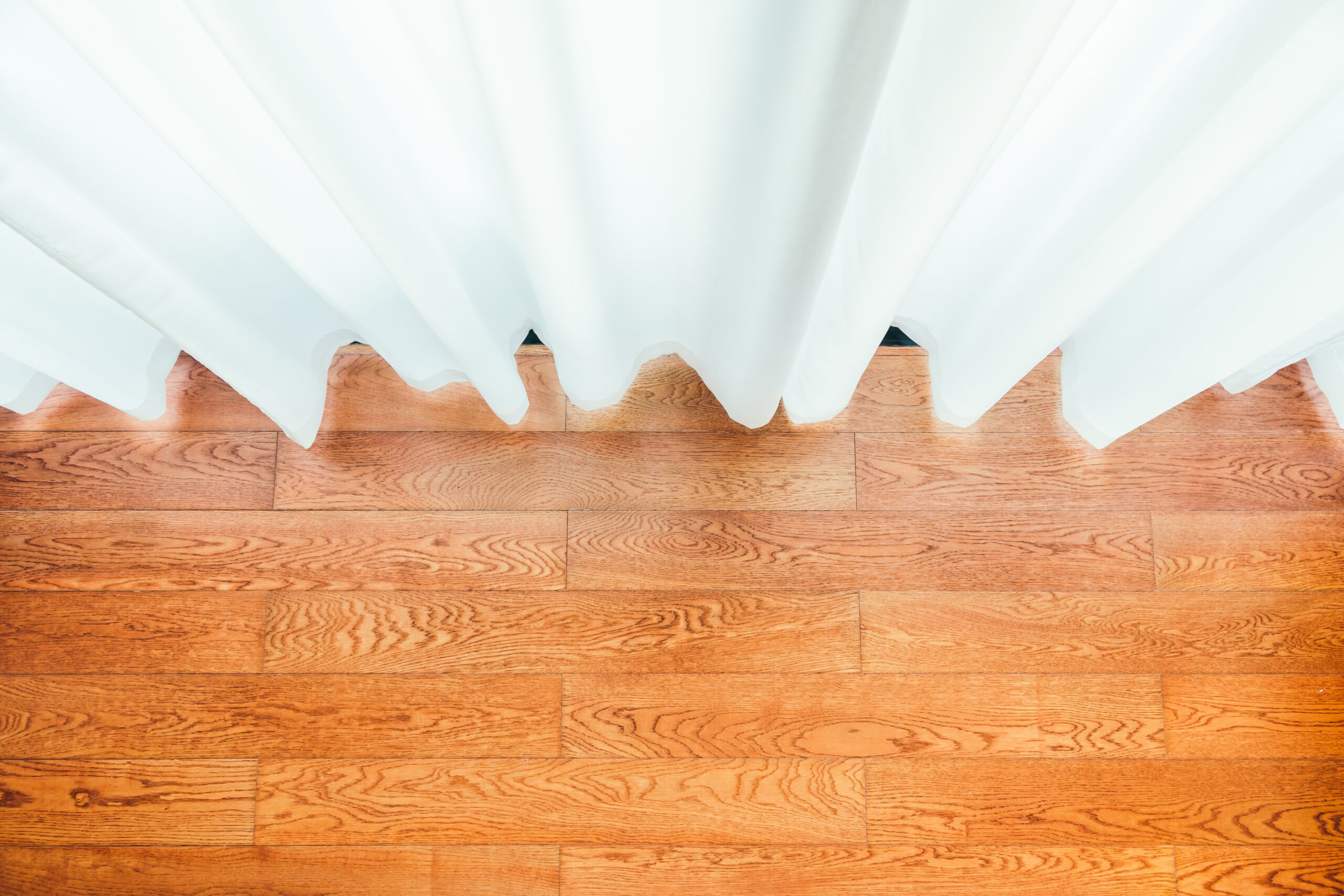
Red Oak Hardwood Flooring has remained a popular choice for homeowners, designers, and builders because of its natural warmth, distinctive grain, and versatility. From traditional interiors to modern homes, red oak can be customized with different stains, finishes, plank widths, and installation patterns to create a floor that fits almost any design.
If you are comparing hardwood species for your next project, understanding the color, grades, finishes, and design possibilities of red oak can make the selection process easier. This guide covers what you should know about red oak hardwood floors, including how they compare with white oak and when unfinished red oak flooring may be the right option.
What Is Red Oak Hardwood Flooring?
Red Oak is a domestic hardwood species widely used for residential and commercial Hardwood Flooring. It is recognized for its prominent grain pattern and warm natural tones.
Although the name suggests a strong red color, red oak can actually range from light tan and honey tones to pink, salmon, and reddish-brown shades. The final appearance can change significantly depending on the cut of the lumber, grade, stain, and finish.
One of the reasons red oak flooring continues to be popular is its ability to accept stains consistently, giving homeowners plenty of options for customizing the finished floor.
Red Oak Hardwood Floors: Natural Colors and Grain
The natural color of red oak wood flooring is generally warm and inviting. Its open grain structure creates visible patterns that add character to the floor.
When left with a clear or natural finish, red oak can provide a classic appearance while allowing its natural color and grain to remain visible. A stain can shift the appearance toward lighter, darker, cooler, or richer tones.
For example, lighter finishes can create a clean and bright appearance, while medium brown or darker stains can provide a more traditional and dramatic look.
The natural variation between boards is also part of the character of Red Oak. Depending on the selected grade, homeowners can choose between a more uniform appearance and a floor with greater natural variation.
Red Oak Flooring Grades
The grade of hardwood affects the amount of natural character visible in the finished floor. Different grades may include varying amounts of knots, mineral streaks, color variation, and other natural characteristics.
Clear Grade
Clear-grade red oak generally provides a more consistent appearance with fewer visible natural imperfections. It can work well for homeowners who prefer a refined and relatively uniform floor.
Select Grade
Select-grade flooring offers a balance between consistency and natural character. Some color variation and natural markings may be visible while maintaining an overall clean appearance.
Character Grade
Character-grade red oak highlights the natural personality of the wood. It may include more knots, mineral streaks, and color variation, making each installation more visually distinctive.
The best grade depends on the design style you want rather than simply choosing the grade with the fewest markings.
Unfinished Red Oak Flooring vs. Prefinished Flooring
Unfinished red oak flooring is installed before the final stain and finish are applied. This provides greater flexibility when creating a custom floor.
Unfinished flooring can be especially useful when you want to:
- Match an existing hardwood floor
- Create a custom stain color
- Choose a specific sheen
- Finish the floor after installation
- Coordinate flooring with cabinets or other wood elements
Prefinished red oak flooring, on the other hand, arrives with the factory-applied finish already in place. It can reduce on-site finishing work and provide a consistent factory finish.
The right option depends on the project, installation schedule, desired customization, and overall design goals.
Red Oak Finishes
The finish plays an important role in both the appearance and protection of red oak wood flooring.
A clear finish can preserve the natural character of the species while providing a protective surface. Oil finishes can provide a more natural, low-sheen appearance, while urethane finishes can offer a durable surface for everyday use.
Different sheen levels can also change the overall look. Matte and satin finishes tend to create a more subtle appearance, while higher-sheen finishes provide a more polished look.
When selecting a finish, consider not only appearance but also the expected traffic level and maintenance requirements of the space.
Red Oak Design Ideas
One of the advantages of red oak flooring is its ability to work with many interior styles.
Traditional Interiors
Pair natural or medium-stained red oak with classic furniture, warm wall colors, and traditional architectural details for a timeless look.
Modern Homes
A lighter stain or natural finish can give red oak a cleaner appearance that works well with contemporary furniture and neutral color palettes.
Rustic Spaces
Character-grade red oak combined with a matte or natural-looking finish can emphasize the wood’s natural grain and variation.
Wide-Plank Designs
Wider red oak planks can create a more open and spacious appearance. They can work particularly well in larger rooms where the floor itself becomes a major design feature.
Custom Patterns
Red oak can also be used in decorative installation patterns, depending on the flooring specifications and project requirements. Herringbone, chevron, and other layouts can add architectural interest to a room.
White Oak vs Red Oak: What Is the Difference?
White Oak vs Red Oak is a common comparison when choosing hardwood flooring.
Red Oak generally has warmer undertones and a more pronounced grain pattern, while White Oak tends to have a slightly more neutral or muted appearance. Their natural colors, grain characteristics, hardness, and response to stains can differ.
Neither species is automatically the right choice for every project. Your decision should consider the desired appearance, stain color, room design, performance requirements, and available flooring construction.d
If you are deciding between the two, looking at actual flooring samples under the lighting conditions of your home can be more useful than comparing photos alone.
Is Red Oak Flooring Still a Good Choice?
Yes, red oak flooring remains a practical and versatile option for many flooring projects. Its established use in hardwood flooring, broad customization possibilities, and distinctive natural appearance make it suitable for a wide range of designs.
Whether you prefer natural red oak, a custom stain, unfinished flooring, or a more character-rich grade, there are multiple ways to tailor the material to your project.
At Pennington Hardwoods, red oak can be considered alongside other hardwood species and customized according to your preferred width, grade, texture, color, and finish.
Final Thoughts
Red Oak Hardwood Flooring offers a combination of natural warmth, recognizable grain, customization, and timeless design appeal. From natural red oak hardwood floors to custom-stained and unfinished red oak flooring, the species provides plenty of flexibility for homeowners and designers.
Before choosing your flooring, consider the grade, plank width, construction, finish, installation pattern, and overall style of your home. Comparing red oak with alternatives such as white oak can also help you identify the characteristics that best fit your project.
With the right specifications and finish, Pennington Hardwoods can help you create a red oak floor that complements your interior today while remaining a long-term part of your home.
Frequently Asked Questions
Is Red Oak good for hardwood flooring?
Yes. Red Oak is a widely used hardwood flooring species known for its distinctive grain, warm color, and ability to accept different stains and finishes.
What color is Red Oak flooring?
Red oak flooring typically ranges from light tan and honey tones to pink, salmon, and reddish-brown shades. Stains and finishes can significantly change the final appearance.
What is unfinished red oak flooring?
Unfinished red oak flooring is installed without a factory-applied final stain and finish. It allows the floor to be customized on-site with a specific stain, finish, and sheen.
Is Red Oak or White Oak better?
White Oak vs Red Oak depends on your project’s design and performance requirements. Red Oak generally has warmer tones and more pronounced grain, while White Oak often has a more neutral appearance.
Can Red Oak flooring be stained?
Yes. Red Oak accepts a wide range of stains, making it possible to create different colors and styles while retaining the species’ natural grain character.
Are red oak hardwood floors still in style?
Red oak hardwood floors remain versatile and can be adapted to traditional, modern, rustic, and transitional interiors through stain color, finish, plank width, and installation design.
